01
First conversation
You describe the problem or project, and we agree the scope, objective and the data needed.
Remote consulting · UAE
Remote engineering support for steam and condensate systems in Dubai, Abu Dhabi, Sharjah and across the Emirates. We help your team find where steam, condensate and heat are lost, and fix the problems that affect production.
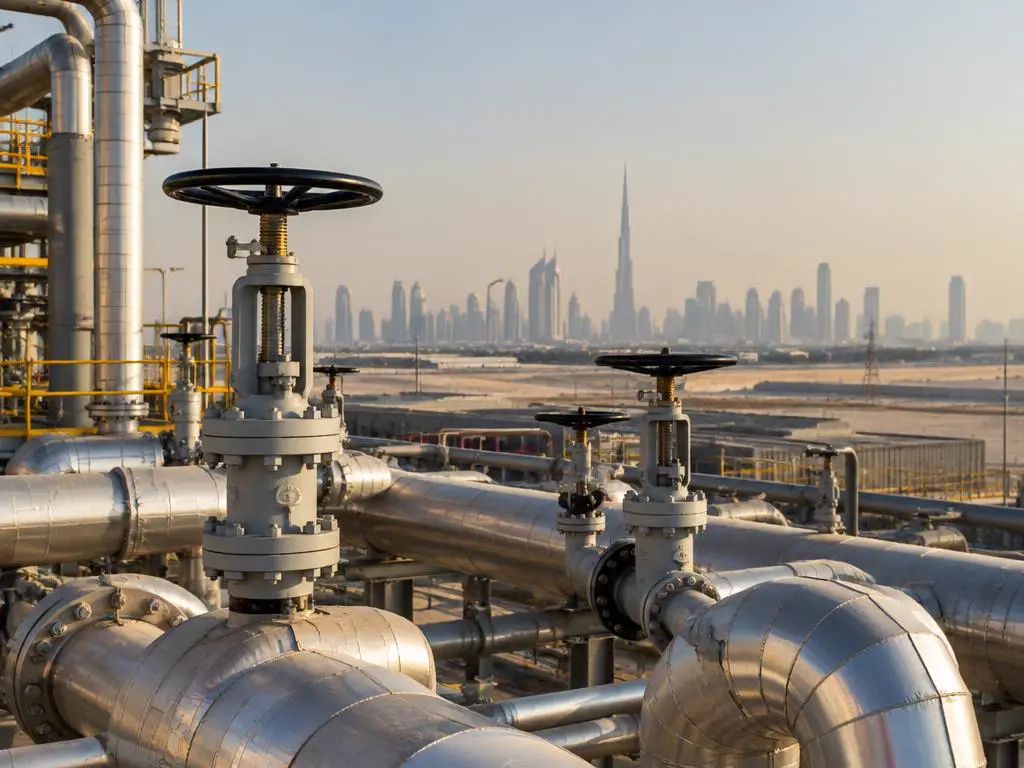
LOCAL CONTEXT
Industrial steam users in the UAE are concentrated in industrial zones around Dubai, Abu Dhabi and Sharjah, from food and beverage plants to pharmaceutical manufacturing and central utilities.
Most water in the Emirates comes from desalination, so boiler make-up water carries the cost of desalination and treatment before it reaches the boiler. Every tonne of condensate that is drained instead of returned costs fuel, water and chemicals at the same time.
High ambient temperatures and coastal humidity also put insulation, outdoor pipework and condensate return lines under strain, which makes regular review of losses and drainage worthwhile.
You describe the problem or project, and we agree the scope, objective and the data needed.
You share line diagrams, operating data and photographs. Your site team takes readings using a checklist we prepare.
We build the calculations, find the causes and make every assumption explicit.
You receive prioritised recommendations and a review call, with remote support through implementation.
Yes. All work is remote, based on your drawings, operating data, photographs and measurements taken by your own site team in the UAE, with video calls where it helps to look at an installation together.
Plants that use steam for process heating, such as food and beverage, pharmaceutical manufacturing and industrial utilities. If steam and condensate are part of your process, we can usually help.
We review trap types, applications and drainage arrangements from drawings and photographs as part of an audit or troubleshooting work. Testing individual traps on site is not part of remote work, but we can specify what your team or a local contractor should test and help interpret the results.
Describe your challenge in the form below. You will be contacted for a first technical conversation, and we agree the scope and data needed before any work starts.
LET’S START WITH YOUR SYSTEM
A few useful details make the first technical discussion more productive.
Include your objective, operating conditions and any drawings or photographs available.