Long or uneven batch times
Often caused by waterlogged jackets, undersized traps or steam supplied at the wrong pressure.
Industry · Food & beverage
Cooking, pasteurising, sterilising and cleaning all depend on steam that arrives dry, at the right pressure and at the right time. We help food and beverage plants across the GCC keep product temperatures stable, recover more condensate and cut the cost of every batch.
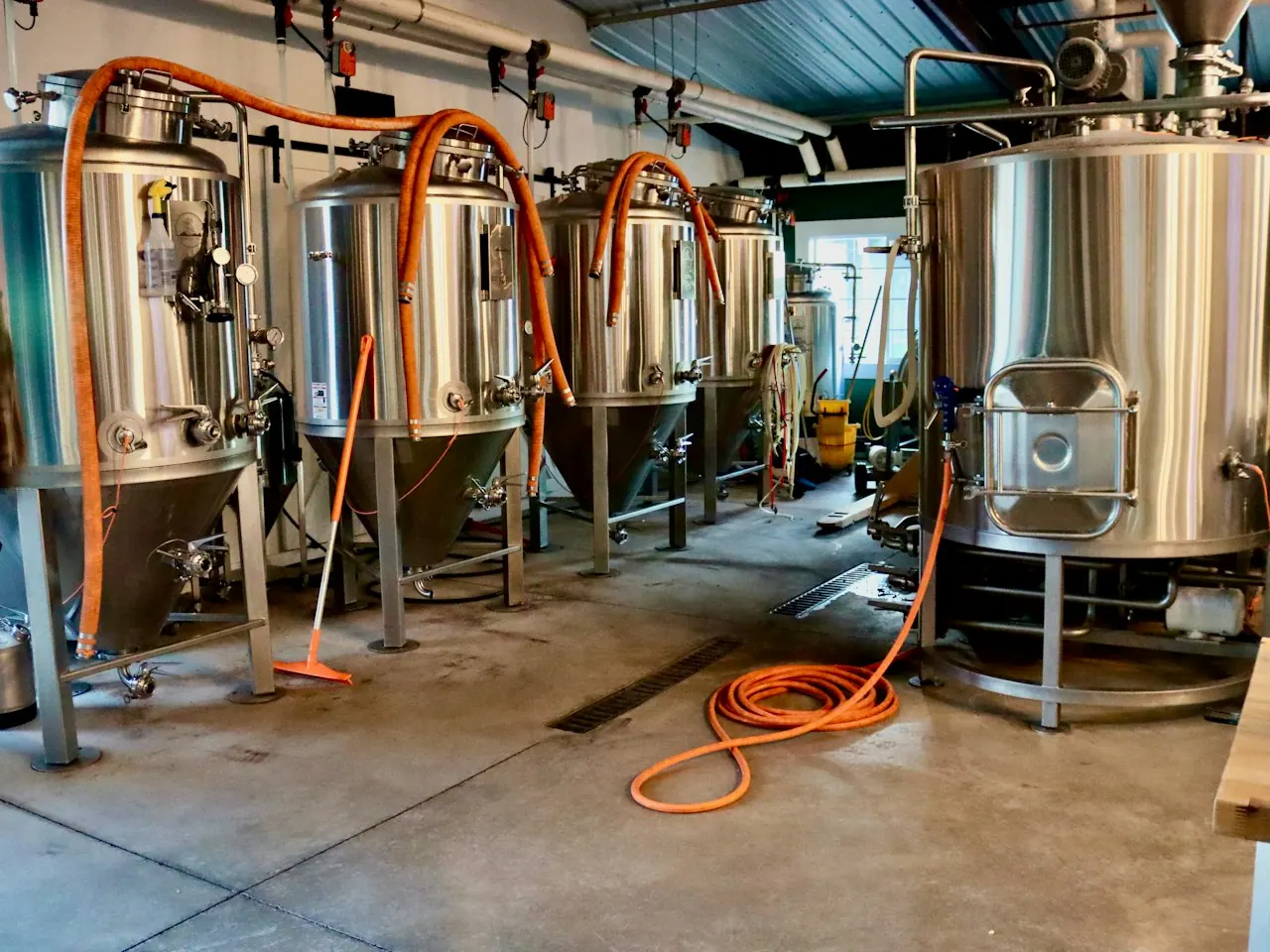
STEAM IN FOOD & BEVERAGE
Most food and beverage sites run several steam users with very different loads. Each one has its own drainage and control needs.
Batch heating where poor condensate drainage slows heat-up and makes batch times inconsistent.
Plate and tubular exchangers on temperature control, where stall and waterlogging cause temperature swings.
Cleaning systems with sharp peaks in steam demand, often at the same time as production.
Processes where steam quality and pressure stability matter for both product and cycle time.
Large steady users with useful vapour and condensate heat that is often sent to drain.
Washers that need reliable hot water and frequently waste condensate and flash steam.
WHAT WE SOLVE
Often caused by waterlogged jackets, undersized traps or steam supplied at the wrong pressure.
Typically stall in the heat exchanger when the control valve throttles and condensate can no longer drain.
Usually poor drainage, lifts after traps or condensate lines that flood during start-up.
Fear of contamination often leads to dumping all condensate. We help define which streams can safely be returned and how to monitor them.
OUR APPROACH
Often a large part of it can. Condensate from indirect heating, such as jackets and heat exchangers, is normally clean. The risk comes from leaks in the equipment, so we help you decide which streams to return and how to monitor them, for example with conductivity measurement and automatic dumping.
The most common causes are changes in steam pressure at the user, poor condensate drainage from jackets and coils, and air in the steam space. We review your arrangement from drawings, photographs and logged data to find which one applies.
We review steam generation, distribution and condensate arrangements as engineering systems. Product contact and hygiene requirements remain with your quality team, and we design recommendations around them.
No. All work is remote, based on your drawings, operating data, photographs and measurements taken by your own team, with video calls where it helps to look at an installation together.
LET’S START WITH YOUR SYSTEM
A few useful details make the first technical discussion more productive.
Include your objective, operating conditions and any drawings or photographs available.