Autoclave and SIP cycles that fail
Often linked to wet steam, air in the steam space or pressure drops during peak demand.
Industry · Pharmaceutical manufacturing
In pharmaceutical plants, steam supports sterilisation, HVAC humidification, purified water and process heating. When steam quality, pressure or drainage drift, it shows up as failed cycles, alarms and downtime. We help engineering teams in the GCC find the cause and keep utilities stable.
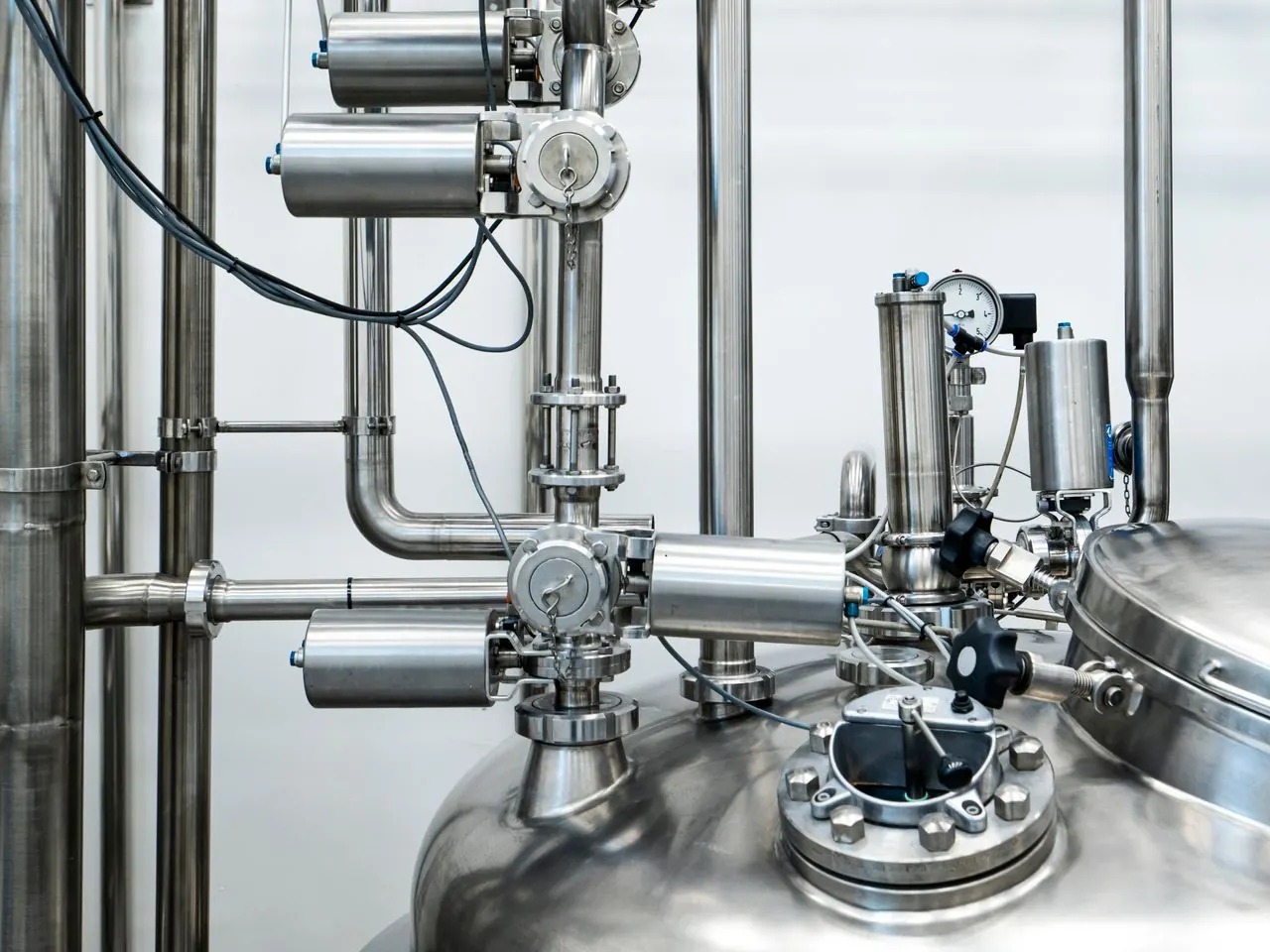
STEAM IN PHARMACEUTICAL MANUFACTURING
A pharmaceutical site usually runs two steam systems side by side. Problems in one often start in the other.
Boilers and feedwater treatment that supply heating, humidification and the clean steam generator.
Generators fed by purified water, where feed quality and plant steam supply affect output.
Headers, drain points and traps that decide whether steam arrives dry and free of condensate.
Autoclaves, SIP circuits, humidifiers and heat exchangers, each with its own pressure and quality needs.
Plant steam condensate that can be recovered, and clean steam condensate that is often cooled and drained.
WHAT WE SOLVE
Often linked to wet steam, air in the steam space or pressure drops during peak demand.
Typically missing drain points, poor line slope or carry-over from the generator.
Humidifiers on plant or clean steam that hunt when supply pressure or drainage is poor.
Cooling and draining condensate, venting flash steam and running generators below design point.
OUR APPROACH
No. Validation and qualification remain with your quality team and their chosen partners. We provide the engineering analysis, calculations and recommendations, documented so that they can be used in your change control.
Common causes are missing or undersized drain points before the autoclave, sagging lines, pressure reduction close to the point of use and carry-over from the boiler or generator. We trace it from drawings, photographs and the cycle data you already record.
Yes. A design review checks sizing, drainage, pressure control and condensate return before the design is built, when changes are cheapest.
No. All work is remote, based on your drawings, operating data, photographs and measurements taken by your own team, with video calls where it helps to look at an installation together.
LET’S START WITH YOUR SYSTEM
A few useful details make the first technical discussion more productive.
Include your objective, operating conditions and any drawings or photographs available.